May 30, 2024 · 5 min read
How keeping your roof and siding clean could save your home insurance policy
The bad news: the state of your roof and siding could cost you your homeowners insurance. The good news: it's not too late to safeguard your policy, and your roof.
Washington homeowners are being dropped by home insurance carriers left and right in 2024. Why? For letting a little too much moss build up on the roof.
This might sound like an exaggeration, but it's not. In recent months we've been getting tons of calls from our own customers asking for an emergency roof wash to help them avoid losing their homeowners insurance. So we decided to dig into the problem.
Largely due to the increase in natural disasters and severe weather connected to climate change, homeowners insurance companies are losing money fast. They're paying out record amounts in claims from hurricanes, floods, and wildfires, far outpacing what they take in through premiums in some places.
“The insurance industry as a whole is in the worst condition I have experienced in the last 21 years, especially personal lines auto and home.”
To curb those losses, many home insurers, including ones right here in western Washington, are dropping policyholders they consider high-risk, sometimes with as little as 30 days notice, and sharply limiting new policies.
“Rates are extremely unstable and carriers are looking for any accounts that could have a potential loss. When they find one they don't like, they non-renew the policy.”
A recent New York Times article lists "towns near Seattle" among the places taking a hit. Some companies have stopped insuring homes in Washington altogether, due in part to the influx of wildfires in recent years.
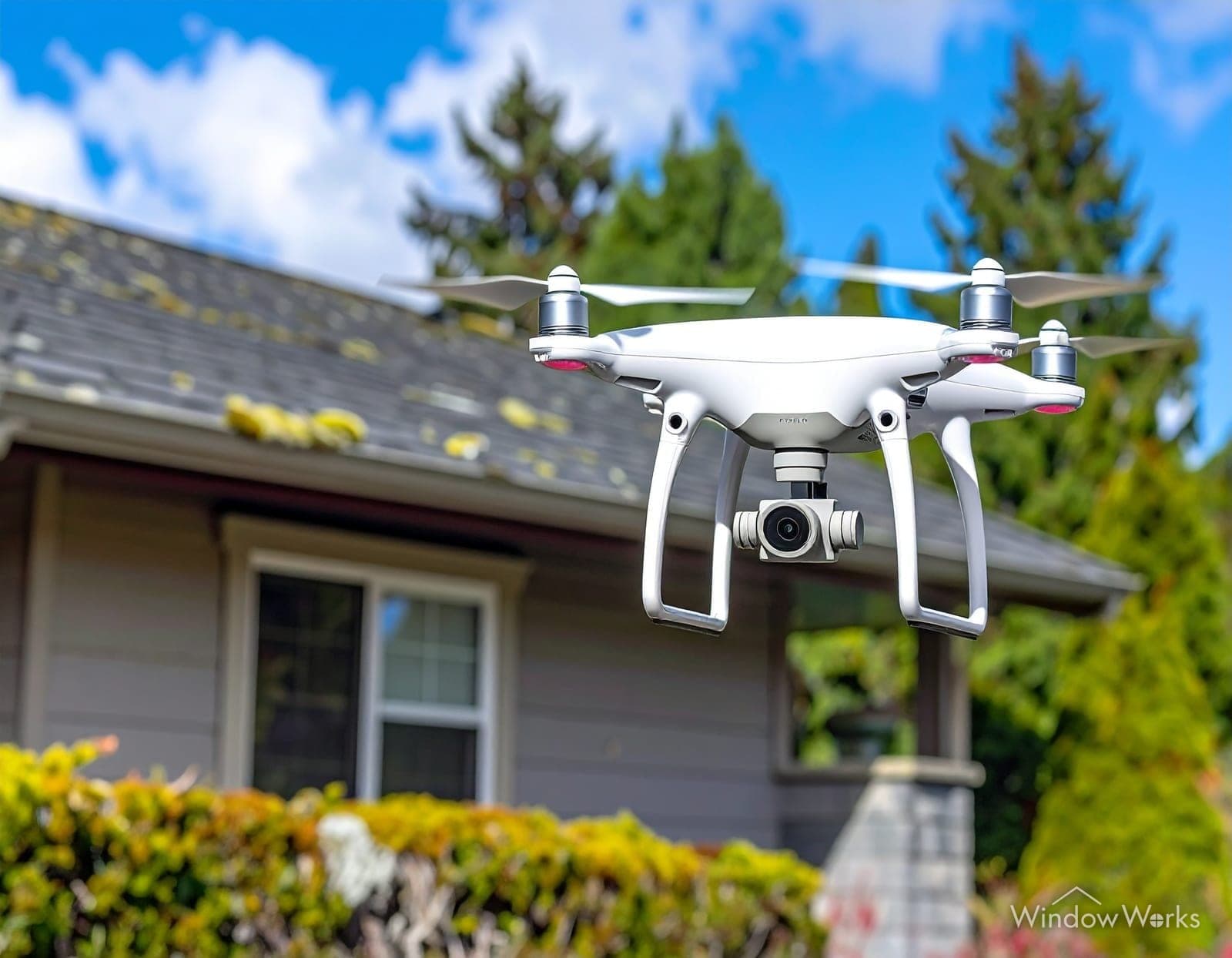
Many of these companies use aerial drone photography and drive-by monitoring to evaluate the condition of your home, paying special attention to your roof and siding. Depending on what they find, they might flag you as high-risk, cancel your policy, and make it harder to find coverage elsewhere.
Why we want you to know about this
Neglect and deferred maintenance on a home's exterior are the main reasons insurers are canceling or threatening to cancel policies.
According to a recent report from NerdWallet, roof condition is the single biggest factor in whether a homeowner can get or keep their insurance. Roof failure is a major driver of claims, which makes roofs a significant liability for insurance companies. If your insurer spots an issue during an aerial or drive-by inspection, even a cosmetic one, they may send you a cancellation or non-renewal notice.
Some of the most common things insurers look for when evaluating a policy:
- Organic growth on the roof or siding (moss, algae, lichen)
- Excess debris on the roof (tree limbs, leaves)
- Overpacked gutters
This isn't about scare tactics. It's about getting ahead of the problem and investing in your home now to prevent bigger problems later. Keeping up your exterior tells insurance companies that you care about your property, which makes you a low-risk policyholder in their eyes.
“Keeping up with exterior home maintenance is the best overall strategy for avoiding that dreaded non-renewal notice.”
When you invest in prevention, you don't just protect and extend the life of your home. You also protect your insurance coverage and avoid expensive emergency repairs down the line. Reactive repairs are almost always more complicated and more expensive than prevention.
How we help: soft washing
At WindowWorks we offer a range of services to help you maintain your home's exterior, get ahead of expensive repairs, and stay covered if an emergency comes up. That includes roof washing and house washing to protect your insurance coverage, plus cleaning for decks, fences, pavers, sport courts, and more. All of it relies on a method called soft washing.
Soft washing uses low-pressure water and a specialized cleaning solution to safely remove dirt, algae, moss, lichen, and other organic growth from outdoor surfaces. Unlike traditional high-pressure washing, it's gentle and prevents damage to roofing, siding, and paint. It's also more eco-friendly than most cleaning methods, while being the most effective at killing organic growth and getting a clean that lasts.
We wrote a full plain-language guide to how it works, what is in the mix, and what happens to it after it leaves the roof:
Roof washing
Our roof washing service uses soft washing to safely remove debris and organic growth from your roof while protecting the life of your roofing materials. If you're trying to protect your homeowners insurance, your roof should be the first thing you address.
Soft washing works on a wide range of roof types: asphalt granule shingles, concrete and Spanish tile, metal, cedar shake, rubber, and TPO/PVC membrane.
It's also the industry gold standard. The Asphalt Roofing Manufacturers Association recommends it as "the most effective method of cleaning algae and moss from a roof." And it's the only roof washing method that kills moss and lichen at the root. Other methods just take off the surface growth, but a thorough soft roof wash can keep moss and lichen from coming back for several years. Competing services like zinc treatment only stay effective for about six months.
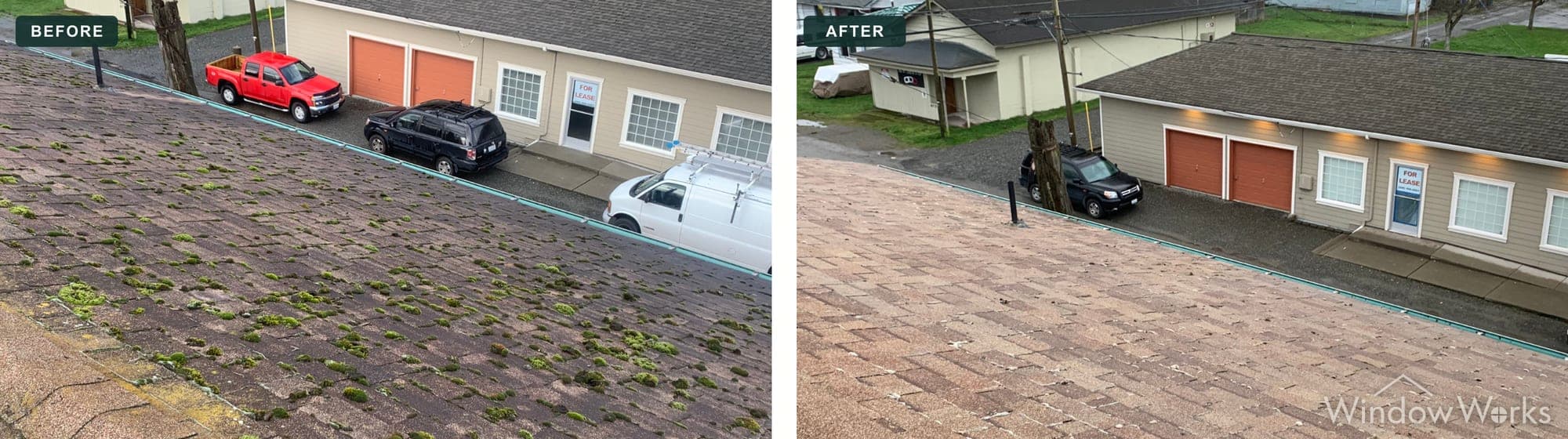
Our roof washing is compliant with shingle manufacturer warranties and includes a 3-year moss-free warranty on composition, concrete tile, and cedar shake roofs. The warranty stays active with one to two gutter cleanings a year from our crew, and every one of those visits includes a roof check, so early regrowth gets treated at no charge instead of turning into a claim.
The full service, the method, and the warranty detail:
House washing
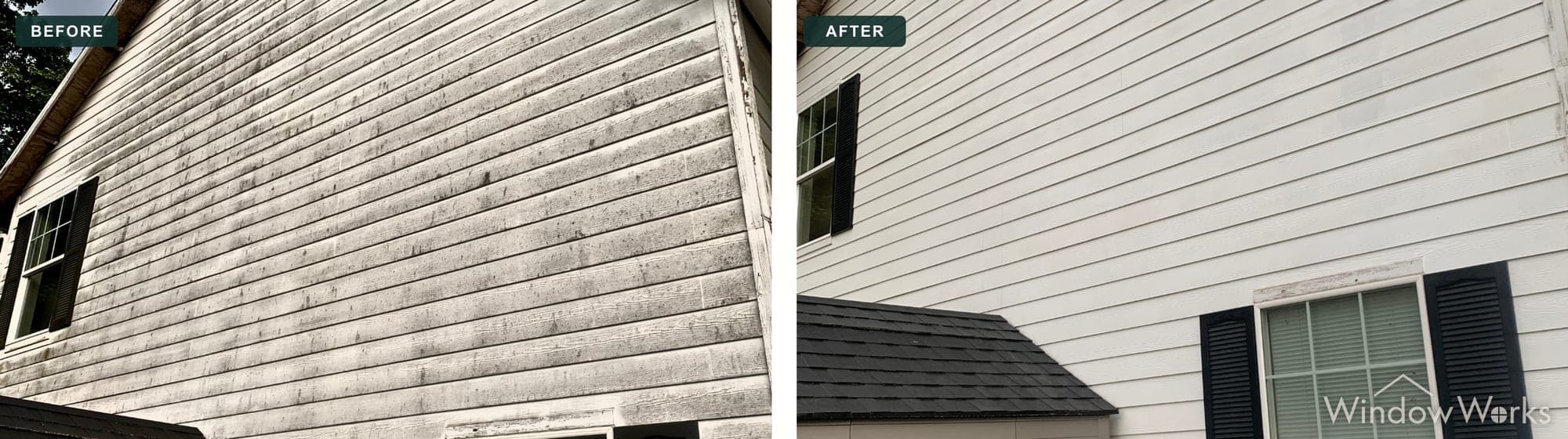
Like roof washing, our house washing uses soft washing to kill and remove organic growth from your siding. It boosts curb appeal and helps your paint last longer, and combined with a roof wash it can dramatically lower your risk of non-renewal. Because we use only low-pressure water, about the pressure of a garden hose, your siding, paint, and other delicate features stay safe and protected.
Methods we don't recommend
Pressure washing is still common in the industry, but we don't use it on roofs or siding. It voids roof warranties, shortens the lifespan of shingles, and raises the risk of water getting where it shouldn't. It can also cause visible damage that gets you flagged in an insurance inspection.
We also avoid zinc treatment. Zinc can kill some moss, but it often fails to meet insurance standards, has to be redone twice a year to stay effective, and has worse environmental effects than soft washing.
Every service we do includes before-and-after photos, plus warranty information you can hand to your insurance carrier if the need ever comes up.
Maintaining your home's exterior with WindowWorks tells your insurance carrier that you care about your home, which makes you the kind of low-risk policyholder they want to keep.
Get ahead of it
Call WindowWorks for a free estimate, or just to talk through how our services can help protect your policy and extend the life of your home. You can reach us at (425) 957-7403, Monday through Friday from 7:30am to 5pm, or get a free estimate online.
See what it would cost.
Get a free estimate in minutes, or call and talk it through with a real person.