

July 1, 2026 · 3 min read
What a clogged dryer vent really looks like
A recent Eastside job had wet lint, a duct packed solid, and an exterior vent the birds had found. Here is what came out, and what the fire numbers say about why it matters.
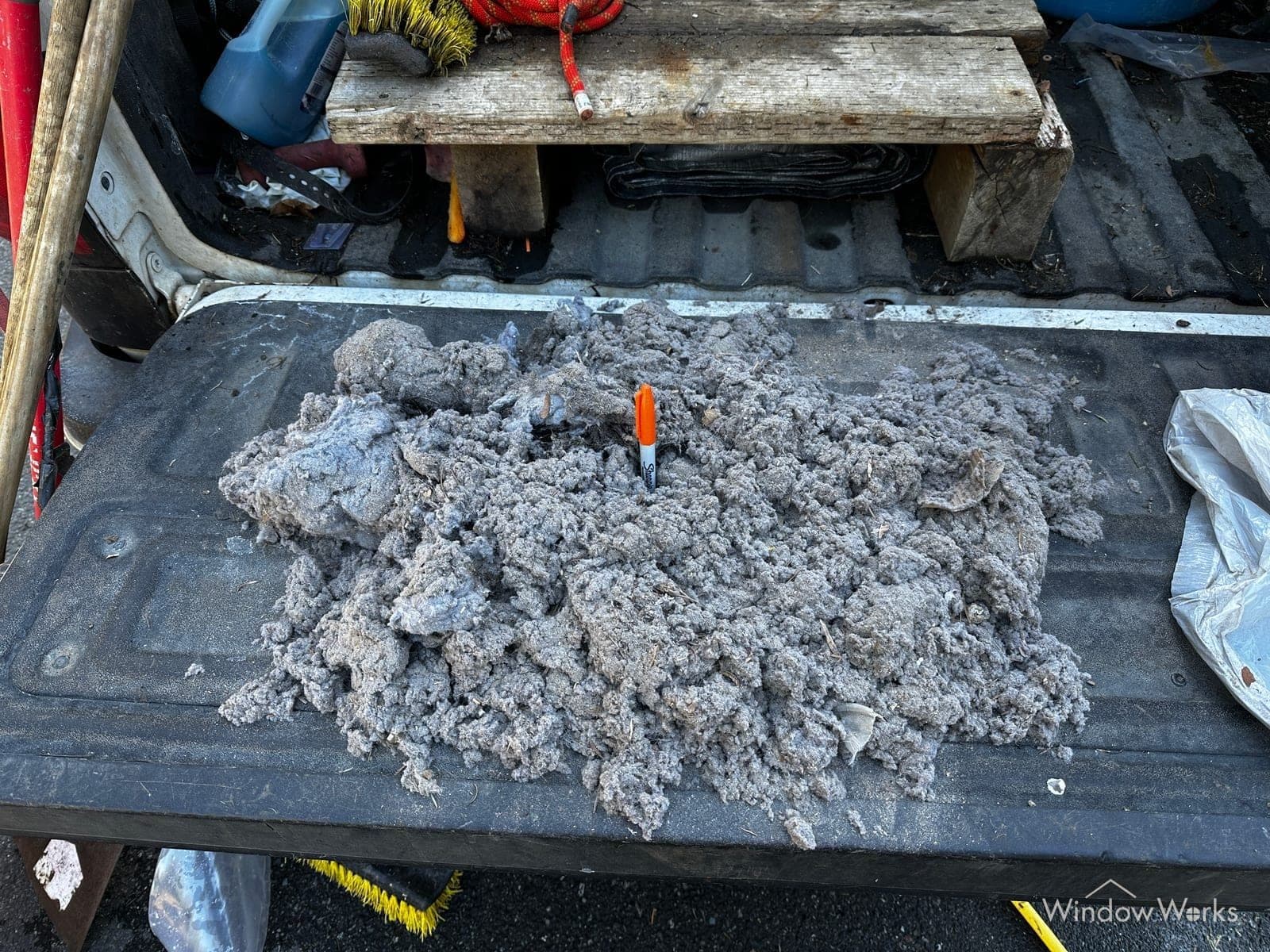
That pile came out of one dryer vent on a recent Eastside job. All of it had been packed inside the duct behind the machine, and all of it is fuel.
It sounds dramatic until you look at the numbers. The National Fire Protection Association counts about 13,820 home fires a year involving clothes dryers, causing roughly 7 deaths, 344 injuries, and $233 million in property damage. The single leading cause is not a faulty machine. It is failure to clean, mostly lint buildup.
Why the lint came out wet
On this job the lint pulled out damp and matted, not light and fluffy, and that is a bad sign. A dryer's whole job is to push hot, moist air out of your clothes and out of the house. When the duct is packed, that moist air has nowhere to go, so it condenses and the lint piles up wet inside the line. Wet, packed lint dries slower and traps even more behind it.
The part the lint screen never catches
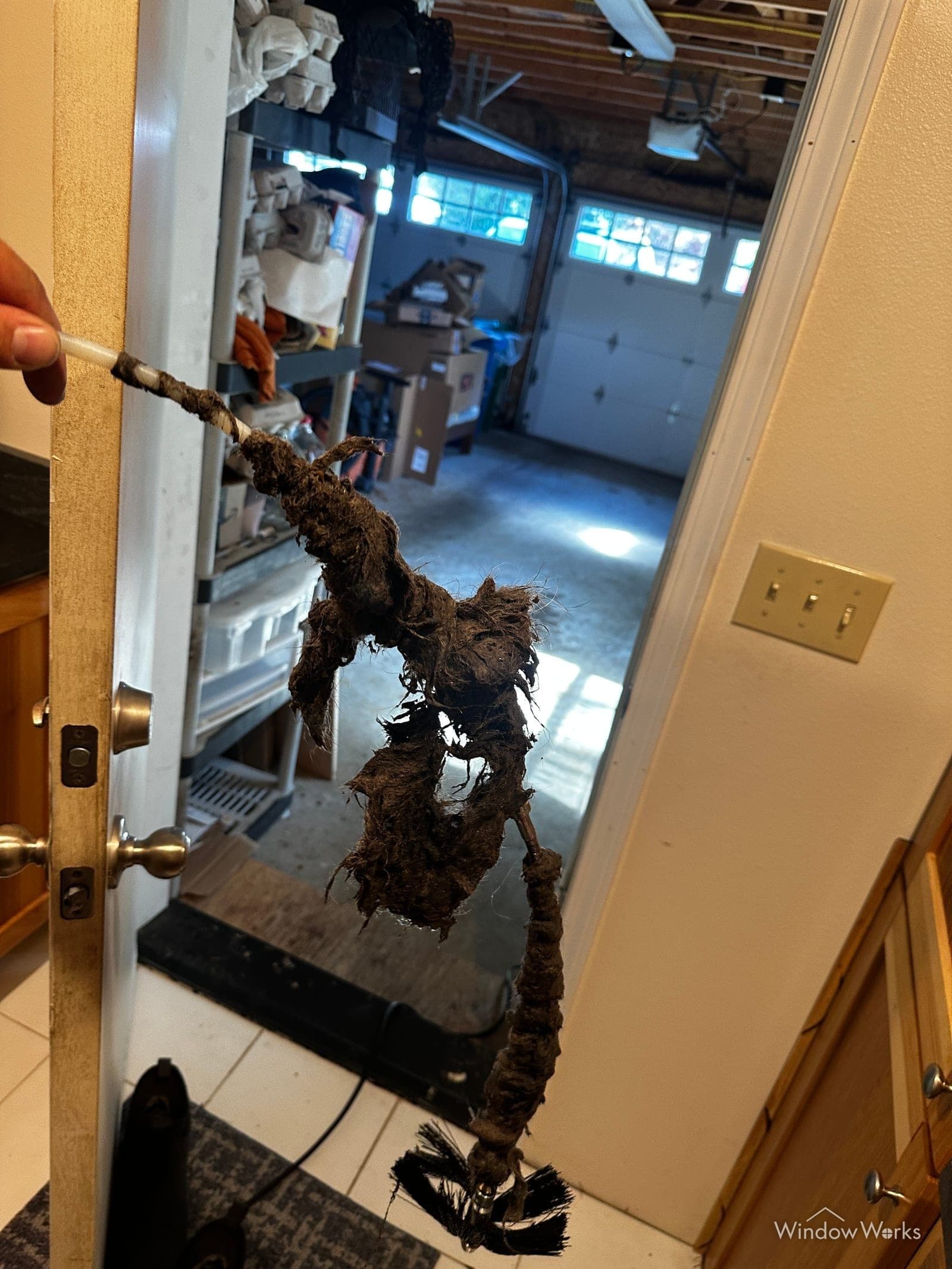
Everyone cleans the lint screen, and the screen still only catches part of what comes off a load. The rest travels past it into the duct behind the dryer, the section you never see, and it builds up over months and years until it looks like this.
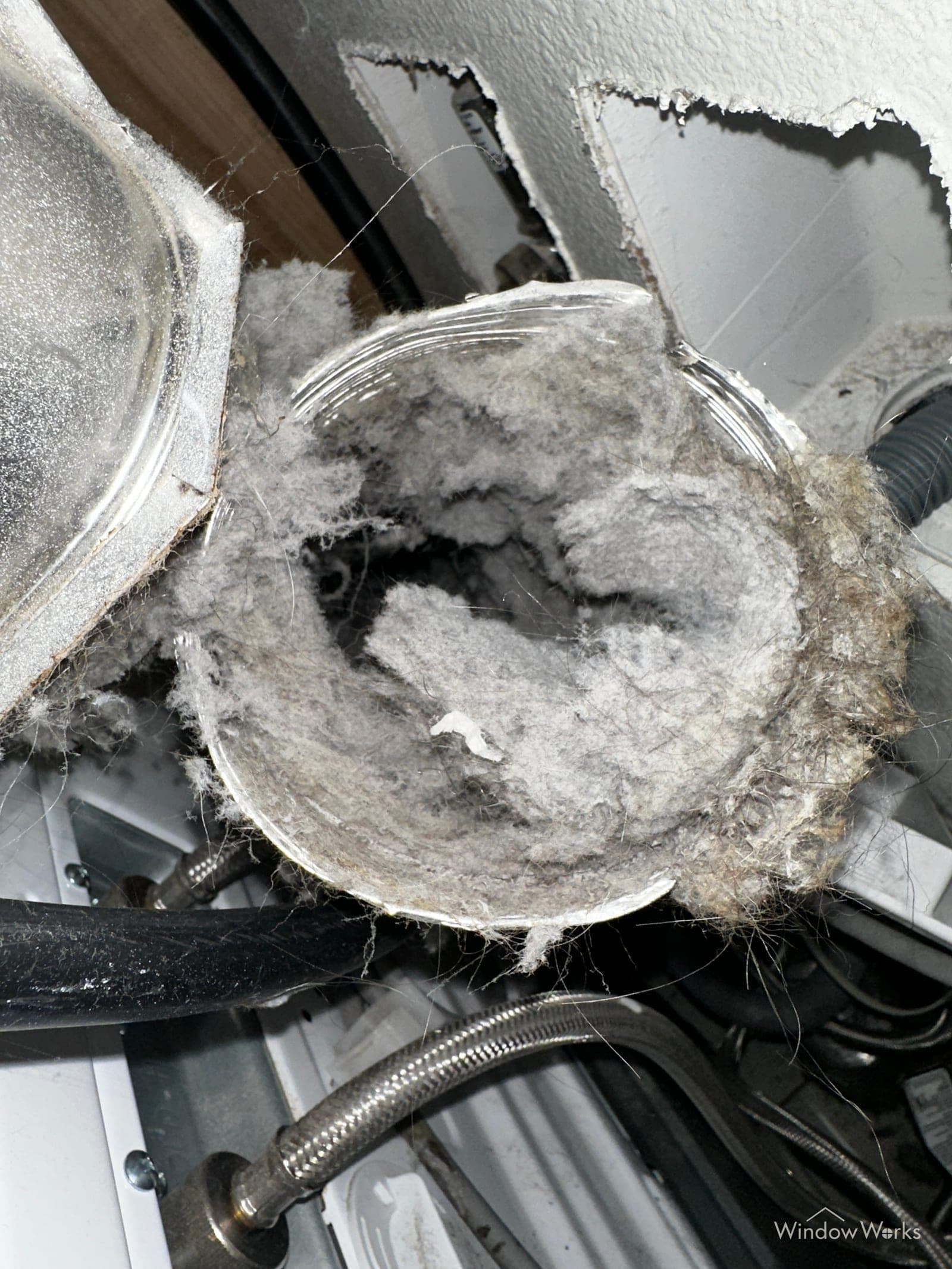
The NFPA recommends clearing lint from the dryer vent at least once a year, or having a dryer lint removal service do it. Sooner for large households, homes with pets, or long, twisting duct runs.
Sometimes it is not just lint
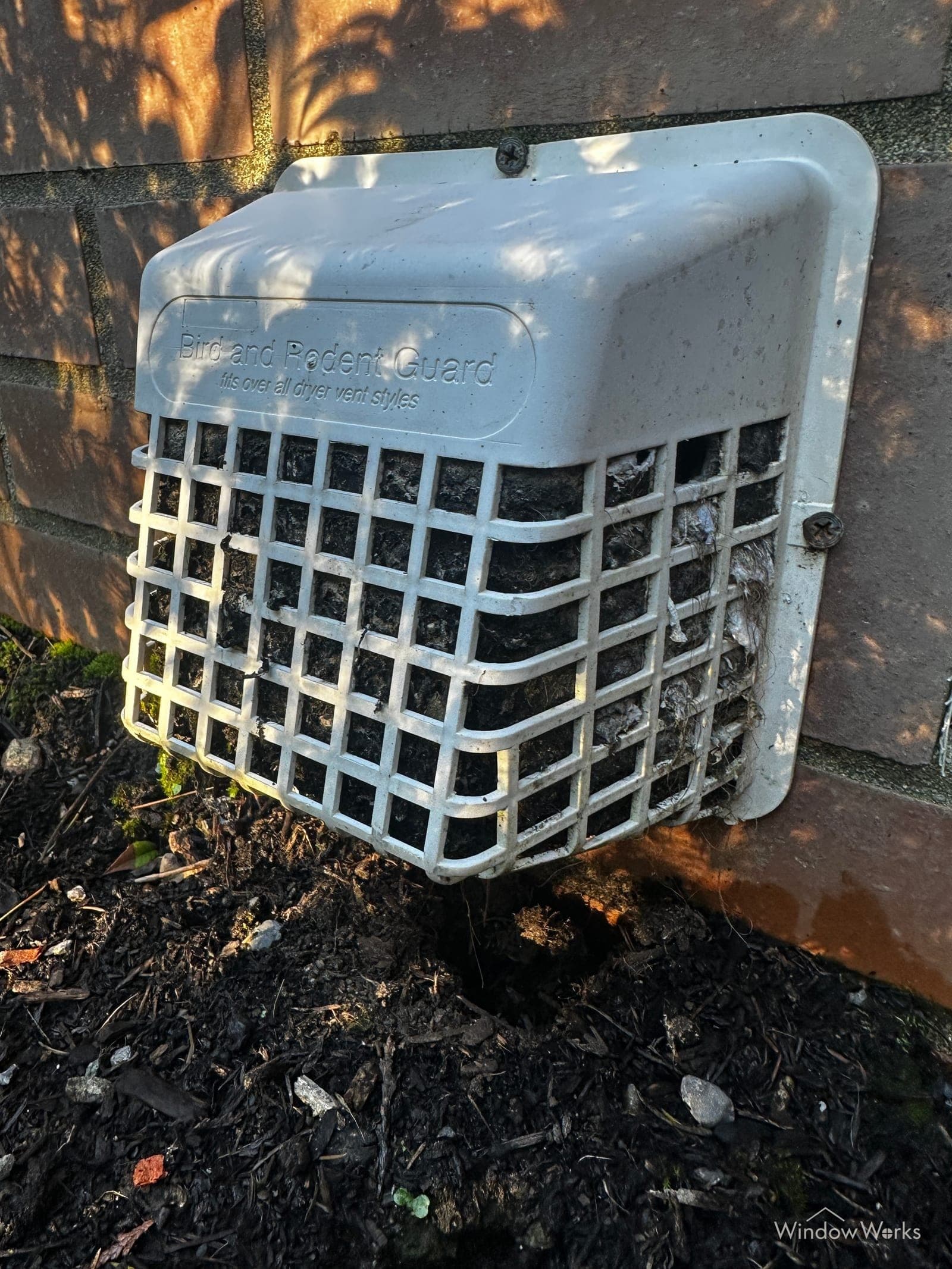
The exterior vent is the other half of the story. On this house the outdoor cover was clogged and worn. A damaged or missing cover is an open door for birds and rodents to nest in the warm duct, which blocks airflow and adds its own fuel. When we find that, we can fit a screened bird-and-rodent guard so the line stays clear and closed off.
How we clean it, and how we prove it
We clean the full run, not just the opening. A rotating brush breaks the packed lint loose while a high-powered vacuum with a HEPA filter pulls it out and traps it, so the lint and fine dust end up in our machine instead of drifting around your laundry room. We run an inspection camera through the duct to see its real condition, and we check airflow before and after, so the improvement is measured, not guessed. Then we show you what came out.
Signs your vent is overdue
- Clothes are still damp after a full cycle, or need two cycles to dry
- The dryer or the clothes feel hot to the touch
- Drying takes noticeably longer than it used to
- A musty or burning smell during a cycle
- Lint showing around the outside vent
If any of that sounds familiar, it is worth a look. We serve the Eastside and Greater Seattle, and every job ends with before-and-after photos you can keep.
See what it would cost.
Get a free estimate in minutes, or call and talk it through with a real person.